
Focus Group and Expert Interviews Conducted within the CAAIVE Project
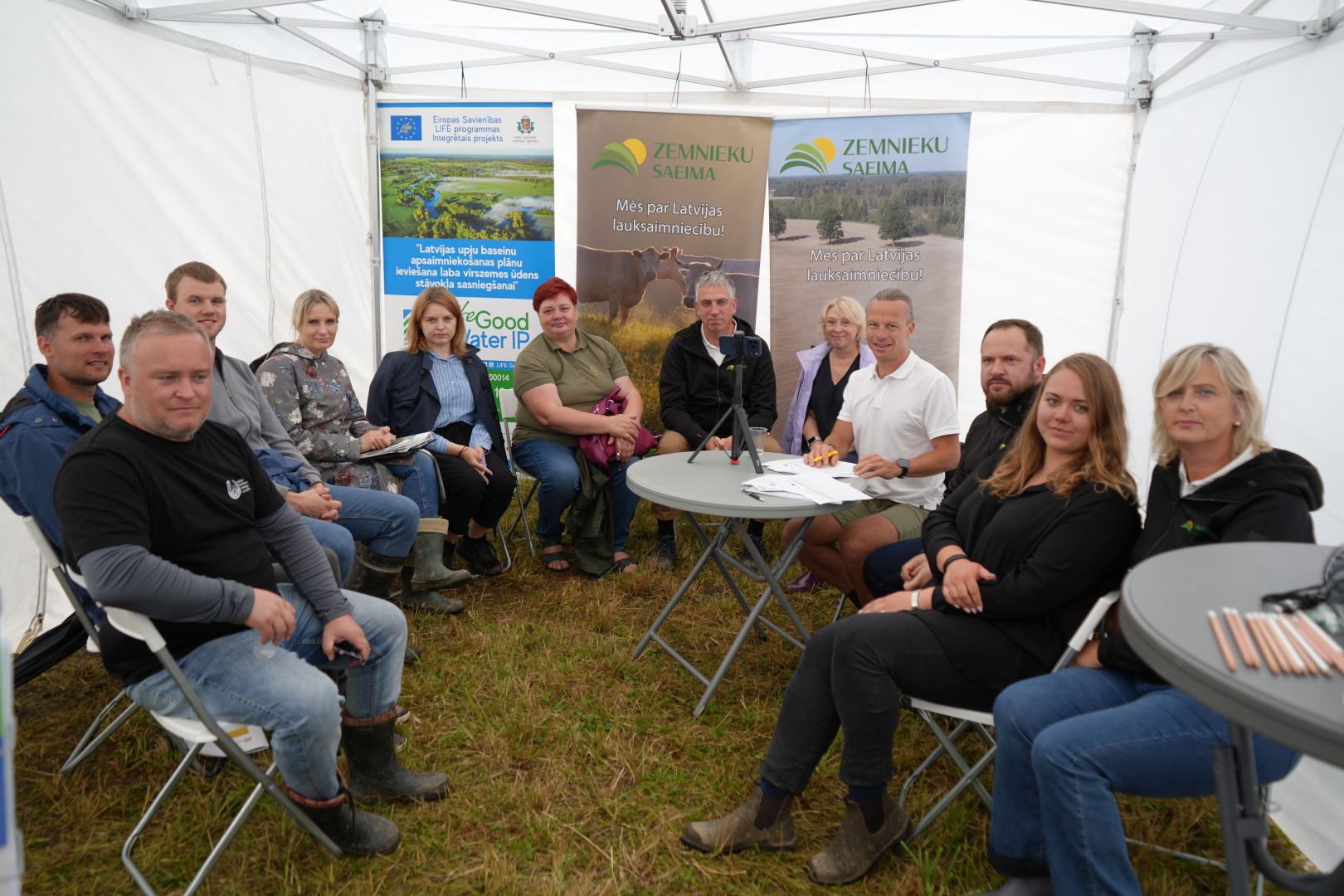
On 9 July 2026, LBTU Malnava College organised a focus group discussion and expert interviews within the Erasmus+ project CAAIVE – Centres of Agricultural AI Vocational Excellence to Empower Agriculture Sector to Simplify AI Adoption. A total of 20 participants took part in the activities, representing agricultural enterprises, educational institutions, technology providers, NGOs and industry experts.
The activities were carried out under WP2 “Digital Skills Profile” and aimed to validate the developed factor maps related to precision farming digital skills and to identify the key enabling and limiting factors influencing the adoption of digital technologies and artificial intelligence in agriculture.
Participants discussed:
the impact of digitalisation on agriculture;
the use of precision farming technologies;
current and future digital and AI-related skills requirements;
barriers and enabling factors for technology adoption;
education and training needs within the sector.
The discussions highlighted several important enabling factors, including increased access to financial support, stronger digital skills among younger generations, opportunities to improve efficiency and reduce costs, and a growing number of digital learning opportunities. Participants also identified significant challenges such as high investment costs, limited internet connectivity in rural areas, lack of time, and varying levels of digital competence among farmers.
The results of the focus group and expert interviews will contribute to the development of the Precision Farming Digital Skills Profile and will support the next stages of the project, including curriculum development, micro-credentials and innovative training solutions for the agricultural sector.
LBTU Malnava College would like to thank all participants for their valuable contributions and active engagement in the project activities.

Publication disclaimer:
Co-funded by the European Union. Views and opinions expressed are however those of the author(s) only and do not necessarily reflect those of the European Union or the European Education and Culture Executive Agency (EACEA). Neither the European Union nor EACEA can be held responsible for them.


