Job Shadowing Mobility in Hungary Strengthens Teachers’ Professional Skills

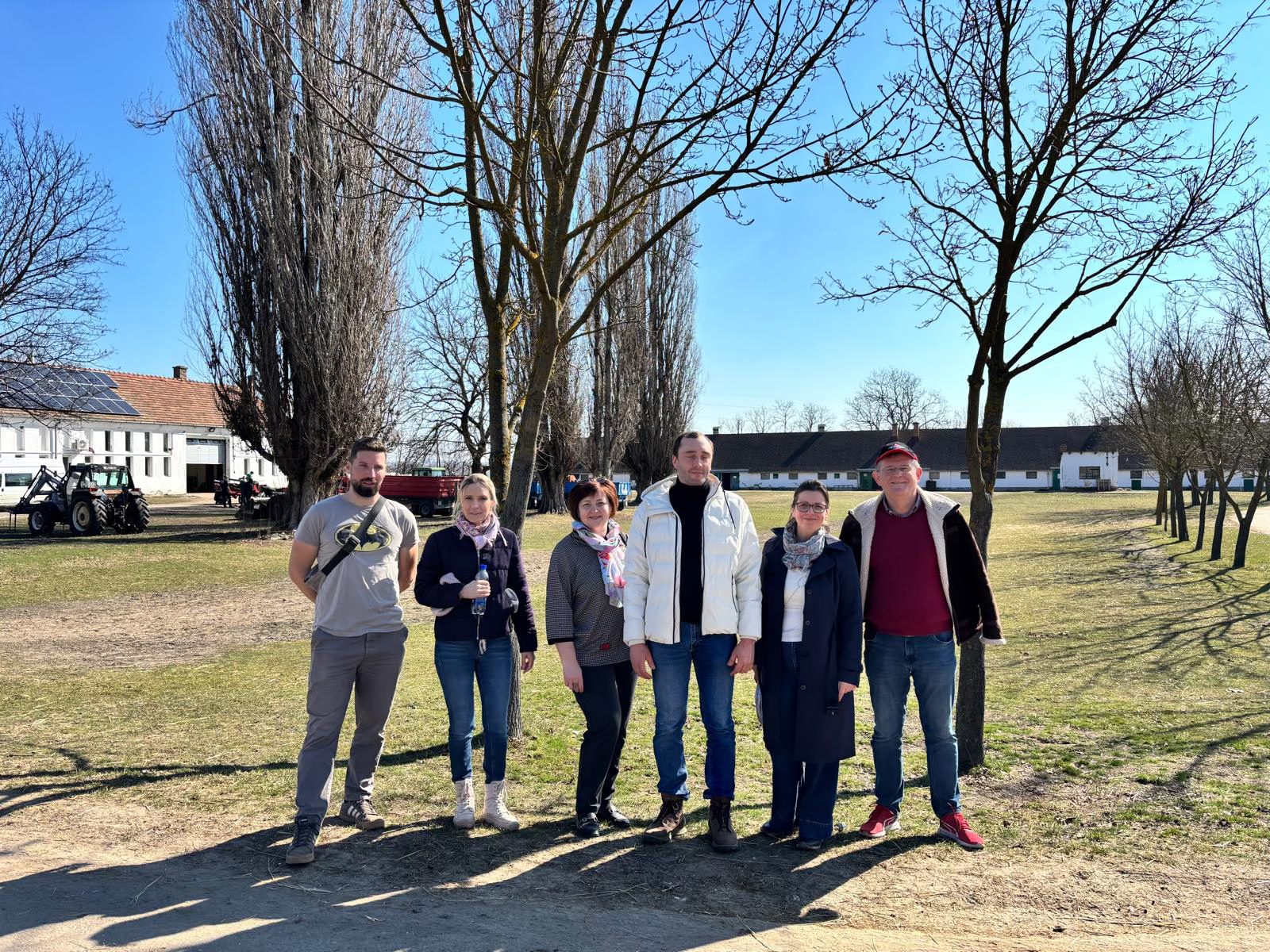
Within the framework of the Erasmus+ programme, from 5 to 8 March 2026, a job shadowing mobility took place at the Közép-magyarországi Agrárszakképzési Centrum (Hungary), in which teachers of LBTU Malnava College Marlinda Kaša, Linda Vebe, and Raivis Rumaks participated. The aim of the mobility was to expand professional knowledge and improve practical skills in agricultural machinery maintenance and livestock management processes in an international environment, as well as to gain new insights into the organization of practical work in agricultural education.
During the visit, the teachers had the opportunity to familiarize themselves with the structure of the educational institution, the Hungarian education system, and the organization of the teaching process. They visited classrooms and the training facility, located a short distance from the centre, and observed the teachers’ work and daily activities. The operation of the training farm, where theoretical knowledge is closely linked to practical training, was of particular interest.
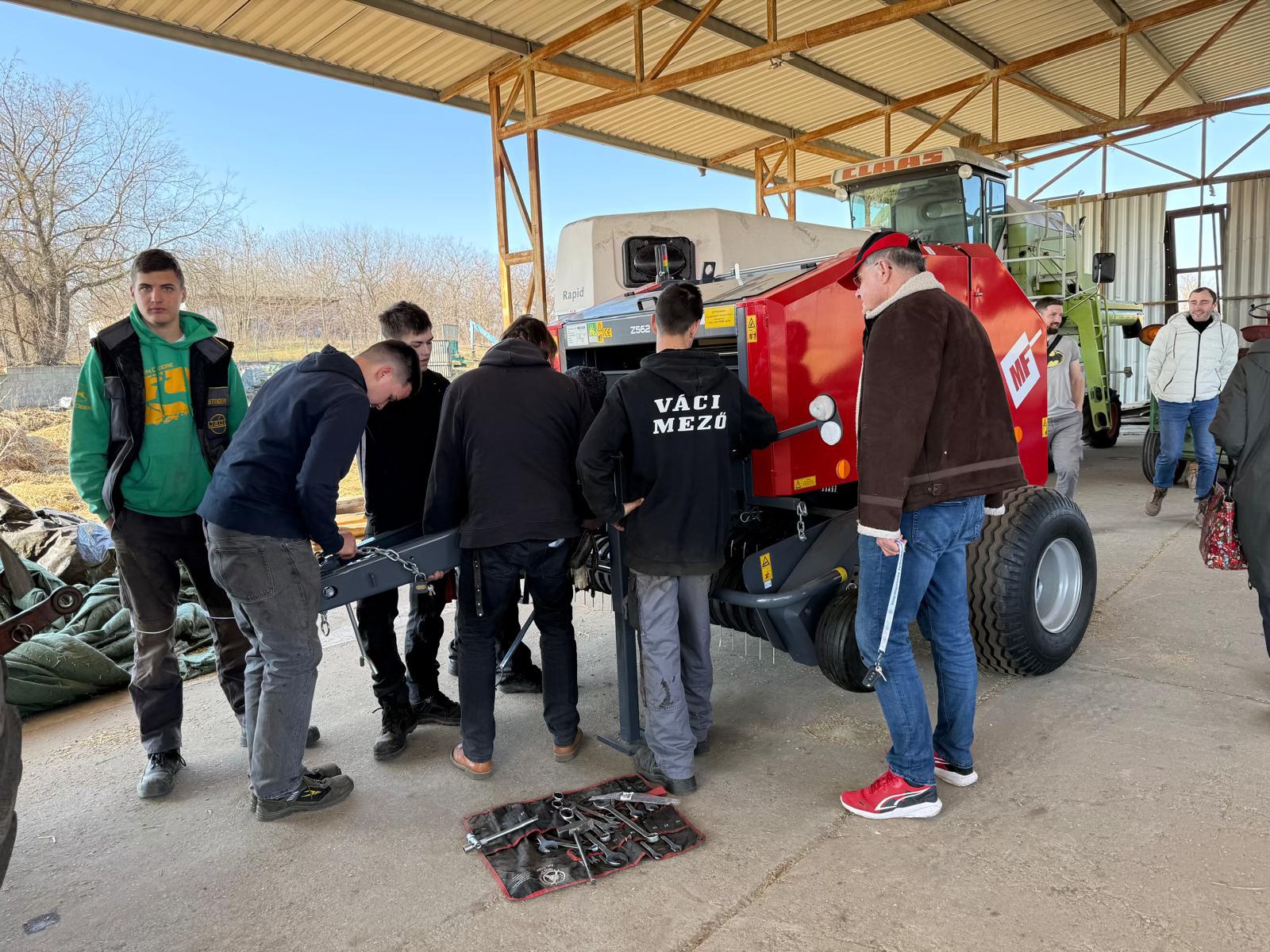
Here, students learn about equipment maintenance, repair, and servicing, while also participating in farm work—such as preparing feed, caring for animals, and feeding them. The training facility functions as a small, full-cycle farm where students learn agricultural production as a unified process. The farm raises various animals—cows, horses, ponies, pigs (including Mangalica pigs), sheep, rabbits, and various poultry.
Horse breeding is particularly well-developed—the school owns approximately 20 horses, which are used both in the educational process and in riding lessons. Shifts are organized for students, during which they take responsibility for animal care, feeding, and other farm tasks, including on weekends. This approach significantly promotes the development of practical skills and fosters a sense of responsibility.
During the mobility program, valuable insights were gained regarding the organization of practical livestock farming classes and the integration of the learning process into a real-world work environment. Particularly significant was the colleagues’ approach to working with national livestock breeds, such as Hungarian Grey cattle, thereby enabling students to acquire both practical skills and an understanding of the conservation of genetic resources. The efficient organization of work, farm layout, and the integration of the learning process with real-world work situations were also highly praised.
The experience gained provided an opportunity to compare the Hungarian and Latvian approaches to vocational education. It was concluded that Latvia should further develop practical training and strengthen cooperation with farms so that students can more fully reinforce their theoretical knowledge through practice. The experience gained is already being shared with colleagues, and plans for the future include improving the organization of practical work as well as seeking new opportunities for cooperation with companies in the sector.
During the visit, close professional ties were established with Hungarian colleagues, who are open to further cooperation in the areas of both teacher and student mobility. This experience underscores the importance of international cooperation in modernizing the educational process and improving its quality.
In addition to professional experience, teachers had the opportunity to explore Hungarian culture, architecture, and history, which enriched the overall mobility experience. The participants acknowledge that this type of mobility makes a significant contribution to both professional and personal growth, and encourage other teachers to take advantage of the opportunities offered by Erasmus+.
As the mobility participants emphasize: “The Hungarian approach is based on ‘learning by doing’—students are integrated into the full cycle of farm management, ensuring that theoretical knowledge is immediately reinforced through practical experience in the field or in the barn.”

The activities are implemented within the framework of the Erasmus+ project 2025-1-LV01-KA121-VET-000331161 and are co-financed by the European Union budget.
Project number: 2025-1-LV01-KA121-VET-000331161.